

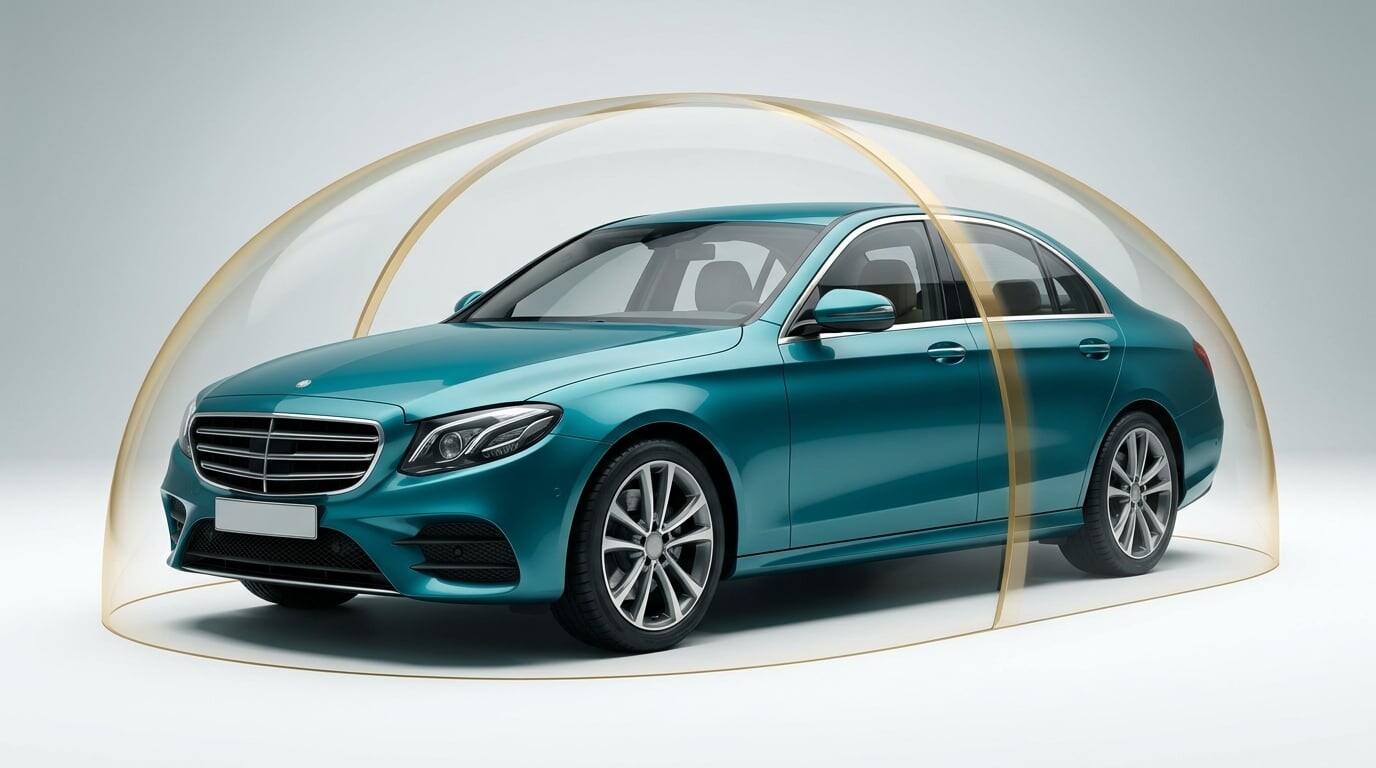
The Gap Most Drivers Don’t See
Ask most people what protects their car and they’ll say "insurance." Ask them what happens when the gearbox fails at 120,000 km and they’ll go quiet. That gap is exactly where the confusion between car insurance and a mechanical breakdown warranty lives — and it’s a costly gap to fall into.
The two products sound similar, but they protect you from completely different things. Here’s how each one works, where they overlap, and why a lot of buyers end up with both.
What Car Insurance Covers
Car insurance is about sudden, external events — the crash, the theft, the hailstorm. It’s the cover most drivers already carry, and comprehensive is the top level of it.
What comprehensive insurance typically includes
- Accidental loss or damage — collision, whether it’s your fault or not
- Theft and attempted theft — including if the car isn’t recovered
- Fire, storm, hail and flood — weather and disaster damage
- Malicious damage and vandalism — someone keying or damaging your car
- Legal liability — damage your car causes to other people’s vehicles or property
Optional extras worth asking about
- Hire car after an event — keeps you mobile while your car is repaired
- Windscreen and glass cover — often with no excess on a glass claim
- Roadside assistance — 24/7 help for flat batteries, flat tyres and lockouts
- Choice of repairer — the ability to nominate who fixes your car
- New-for-old replacement — on eligible newer cars written off within a set period
> Agreed value versus market value — agreed value locks in a set figure up front, while market value pays what your car is worth at the time of the claim. The right choice depends on your car and how you’d want a claim settled.
What a Mechanical Breakdown Warranty Covers
A warranty is about the car breaking down on its own — no crash, no theft, just a covered component that fails. This is where insurance stops and warranty begins.
What a mechanical breakdown warranty typically includes
- Mechanical and electrical failure of covered components — the parts a manufacturer’s warranty would have covered, had it not expired
- Cover that starts when your factory warranty ends — picking up right where the manufacturer leaves off
- Flexible terms — commonly available in 12, 24 or 36-month periods to match how long you’ll keep the car
Why buyers add one
- No excess on many products — some warranties have zero excess on a valid claim
- Repairers paid directly — designed to get you back on the road without a big upfront bill
- A cooling-off period — many products let you cancel within the first 30 days for a full refund if you haven’t claimed
- Meaningful benefit limits — cover can extend up to the market value of the vehicle or a high dollar cap, depending on the product
Eligibility usually depends on the age and kilometres of the vehicle at the time of sale, and exactly what’s covered varies between products — which is why it pays to have someone walk you through it.
So What’s the Actual Difference?
Put simply:
- Insurance protects you when *something happens to* the car — a crash, a thief, a storm.
- Warranty protects you when *something goes wrong inside* the car — the engine, transmission or electrical components failing.
Your comprehensive insurer won’t pay for a blown head gasket. Your warranty won’t pay for a stolen car. They’re not competing products — they cover opposite risks.
Do You Need Both?
For a lot of drivers, especially anyone buying a used car out of manufacturer warranty, the answer is often yes — and here’s the logic:
- Insurance handles the big, sudden hit you can’t predict
- Warranty handles the expensive surprise of a major component letting go
- Together they cover both sides of car ownership: the accident *and* the breakdown
Whether both make sense for you depends on your car, your budget and how long you plan to keep it. That’s a conversation, not a one-size-fits-all answer.
How L&R Fits In
At L&R Consultants, we started with finance — and clients kept asking us to help sort the rest. So now, alongside your finance, we can help you understand your insurance and warranty options too, and connect you with the right professionals to arrange them.
The value is simple: instead of chasing three different providers for the car, the cover and the loan, you have one conversation and we help you make sense of it all. We don’t issue insurance or warranty products ourselves — we help you understand what’s out there and put you in front of the people who do.
Key Takeaways
- Insurance covers accidents, theft and damage. Warranty covers mechanical and electrical failure. They are not the same thing.
- Comprehensive insurance has a lot of optional extras — hire car, glass cover, roadside assist — worth asking about before you choose.
- A mechanical breakdown warranty picks up where your factory warranty ends, often with no excess and repairers paid directly.
- Many drivers benefit from both, particularly on used cars — one covers the crash, the other covers the breakdown.
- Understanding the detail matters. Cover, limits and eligibility vary by product, so get guidance before you commit.
---
Thinking about protecting your next car properly? Get in touch with our team for a free, no-obligation conversation about your finance, insurance and warranty options. When you’re ready, make an enquiry and we’ll connect you with the right professional.